How Auto Repair Helps Keep Your Vehicle Safe
Essential Tips for Choosing a Reliable Auto Repair Shop
Selecting a reliable auto repair shop is critical for the safety and upkeep of your vehicle. Several key factors play a role in this choice, from mechanic qualifications to customer feedback. Knowing the details of warranty agreements can help avoid problems down the road. Clear dialogue with your technician also is instrumental in ensuring quality service. Each aspect carries weight in the overall experience. What should one prioritize when making this important choice? The following insights will clarify the path to finding a trustworthy repair shop.
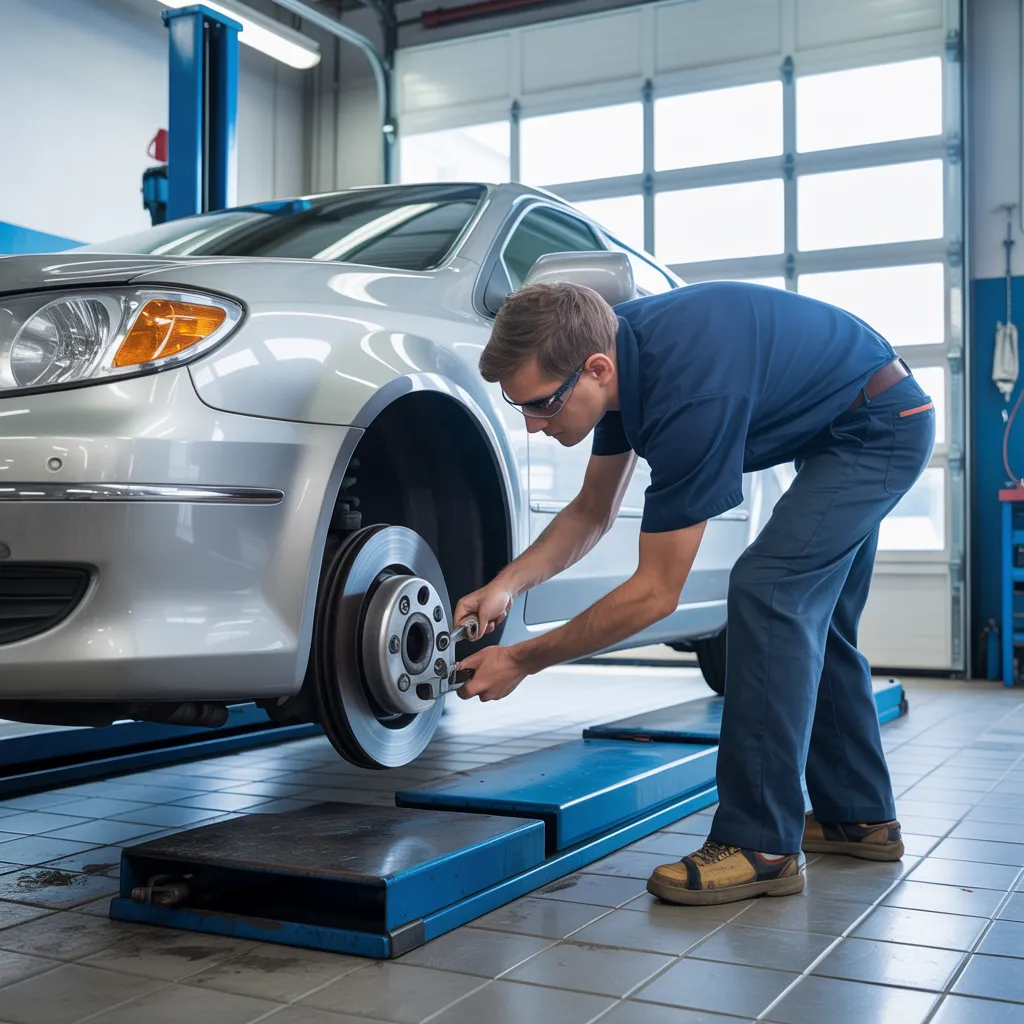
Why Picking the Right Auto Repair Shop Makes a Difference
Selecting the best auto repair shop is essential, as it can significantly impact both vehicle performance and owner peace of mind. A reputable shop confirms that repairs are performed correctly, increasing the longevity and efficiency of the vehicle. Owners who select a credible establishment often experience fewer breakdowns and lower repair costs over time, as excellent work minimizes the need for repeat visits.
Moreover, a dependable auto repair shop establishes a sense of confidence among vehicle owners. Vehicle owners tend to feel more confident in their commitment, knowing that seasoned technicians are servicing their cars. This assurance can lead to stronger maintenance practices, ultimately resulting in enhanced vehicle safety. Also, building a relationship with a trustworthy shop can simplify the repair process, providing ready access to professional guidance and efficient service. Ultimately, making an knowledgeable choice in auto repair can significantly affect both the automobile's condition and the owner's overall satisfaction.
Review Certifications and Qualifications
When searching for an auto repair shop, it is important to examine the certifications and qualifications of the technicians. Certified technicians frequently have advanced training and have demonstrated their expertise through examinations. Common certifications include those from the National Institute for Automotive Service Excellence (ASE), which reflects a strong foundation of knowledge and abilities. Additionally, memberships in recognized organizations, such as the Automotive Service Association (ASA), can further validate a shop's dedication to quality service.
A highly skilled technician is more capable of accurately identify problems and execute needed repairs with expertise, thereby resulting in better service and customer satisfaction. Verifying manufacturer-specific certifications can also ensure that service professionals are educated in cutting-edge techniques and updated repair procedures for individual car brands. By prioritizing certifications and qualifications, car owners can improve their prospects for obtaining dependable and high-quality vehicle repair services.
View Customer Reviews for Your Auto Repair Shop
How can customer reviews influence the choice of an auto repair shop? Customer reviews act as helpful indicators of past clients' experiences, offering a window into the level of service provided. Prospective customers can assess aspects such as reliability, professionalism, and pricing through these testimonials. Favorable reviews frequently suggest a reputable business, whereas critical feedback may reveal possible concerns.
In addition, evaluations can expose consistent service characteristics, such as reliable wait times or the efficiency of repair services. Internet platforms and social media channels boost these viewpoints, facilitating the collection of wide-ranging viewpoints. When reviewing a car repair establishment, customers should examine the overall rating as well as specific comments relating to service performance and customer experience. Such details can direct them to a facility that satisfies their requirements and standards, ultimately ensuring a more satisfactory automotive repair experience.
A Guide to Warranty and Guarantee Policies
Recognizing warranty and guarantee policies is crucial when choosing an auto repair shop. Such policies detail what repairs are included and the terms under which they function. Understanding the specifics can help consumers make educated choices and guarantee peace of mind regarding their vehicle repairs.
Warranty Coverage Details
Overseeing warranty coverage details can greatly impact the overall satisfaction with an auto repair shop. A clear understanding of what is covered under warranty can prevent misunderstandings and frustrations. Auto repair shops frequently offer warranties on labor and parts, but the specifics can vary markedly. Customers should find out about the duration of the warranty, the types of repairs or parts included, and any exceptions that might apply. Moreover, it is important to know whether the warranty is recognized nationwide or limited to the specific shop. Carefully examining these details before committing to services assures that customers are covered against likely defects or concerns. This knowledgeable approach fosters trust and enhances the general repair experience.
Terms of Guarantee Described
What should customers be aware of regarding guarantee terms when picking an auto repair shop? It is essential to understand the difference between warranties and guarantees. A warranty usually encompasses particular repairs or parts for a defined duration, so that if complications emerge, the shop will handle them at no additional expense. In contrast, a guarantee often reflects the shop's commitment to quality workmanship, assuring customer satisfaction or a refund if the service falls short of established standards. Clients should ask about the timeframe, coverage details, and restrictions of these policies. It is also advisable for them to read the fine print thoroughly to avoid potential misunderstandings. By clarifying these terms, customers can make informed decisions and choose a repair shop that stands behind its work.
How to Effectively Communicate With Your Mechanic
What is the best way to ensure that interactions with a mechanic are effective and well understood? To begin, one should provide a detailed description of the vehicle's symptoms. In place of general or imprecise remarks, one should focus on specific issues, including odd sounds or activated warning signals. This helps the mechanic pinpoint the problem more effectively.
Additionally, posing questions is essential. Inquiring about the repair process, necessary parts, and expected timelines fosters a clearer understanding. Active listening is also critically important; one ought to carefully follow the mechanic's explanations and seek clarification whenever something is confusing.
Moreover, it's beneficial to develop a connection with the technician. Developing trust can result in improved service and greater personalized attention for the automobile. In conclusion, preserving written documentation of prior repairs and maintenance can improve communication by offering context for current issues. Clear communication invariably creates a more successful maintenance experience.
Compare Estimates and Pricing
A comprehensive assessment of pricing and estimates can uncover considerable variations between automotive repair facilities. When obtaining auto repairs, consumers should obtain bids from multiple shops to gauge the market rate for required repairs. This method not only provides insight into likely expenditures but also exposes varying levels of service.
It is crucial to examine what each quote covers. Certain shops may provide lower quotes but compromise on parts quality or labor guarantees, while some may charge a premium for better service and higher-quality parts. Moreover, being aware of how costs are broken down—parts, labor, and any possible additional charges—can help consumers make an informed choice.
In addition to cost, reputation along with customer service deserves careful consideration. A slightly more expensive shop may provide greater reliability and a more dependable experience. In the end, weighing cost against quality and service reputation ensures a more favorable result for vehicle repairs.
Common Questions and Answers
What Are the Signs That a Shop Is Trustworthy?
A reliable store often showcases accreditations, provides clear pricing, and has positive customer testimonials. Furthermore, a friendly environment with experienced personnel can suggest trustworthiness, while clear interaction and service assurances further improve credibility in their services.
What Steps Should I Take if I'm Unhappy With Repairs?
If dissatisfied with repair work, the customer should first communicate concerns directly to the shop. If no resolution is reached, seeking a second opinion or contacting consumer protection services may be essential to effectively address the concern.
Are There Specific Red Flags to Watch For?
Warning signs to look out for consist of absence of proper certifications, unclear pricing estimates, unresolved workmanship, unfavorable customer testimonials, unprofessional conduct, and unwillingness to offer thorough explanations. These indicators often signify potential issues with the repair shop's reliability.
How Frequently Should I Have My Vehicle Serviced?
Automobiles generally need to be inspected every 5,000 to evidence 7,500 miles or or every 6 months, whichever comes first. Consistent upkeep is essential for peak performance, safety, and extended vehicle life, avoiding expensive repairs and enhancing the overall driving experience.
Is It Possible to Ask for Old Parts After a Repair?
Absolutely, vehicle owners can request to see used parts after repair work is completed. Most reputable shops honor these requests, as openness fosters confidence. Knowing the state of the old parts can offer peace of mind about the level of service delivered.